
4 Min Read
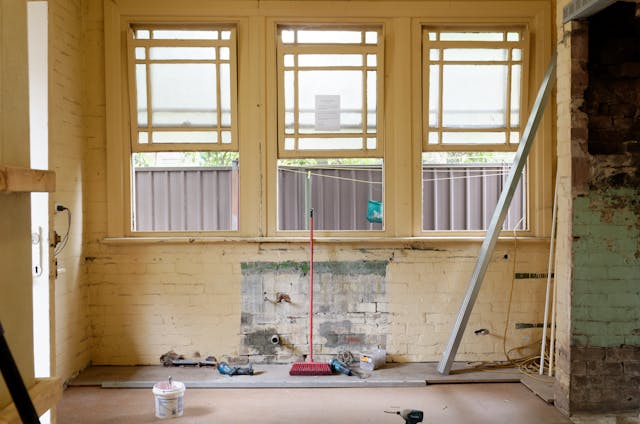
There's nothing more exciting than a home renovation project, but it's also challenging regarding personal taste. Often, one of the toughest parts of the process is to convince your partner on design choices. However, with the right approach, you can work together and create a space you both love.
Understanding Your Partner's Preferences
Before diving into a renovation, it's crucial to understand your partner's style. Taking the time to learn what they like will help you avoid future disagreements. Once you know their tastes, it becomes easier to suggest ideas that resonate with them.
There are many things to do before moving into a new house. It is also the perfect time to explore different design styles. You have a blank canvas to turn into a home that reflects your personality. In this early phase, shared preferences can set the foundation for future discussions.
Presenting Your Ideas with Clarity
It's one thing to have a vision, but communicating it clearly is always a home renovation challenge. When trying to convince your partner on design choices, clarity is key. Using visuals, like mood boards or digital renderings, can help them see exactly what you mean.
Visual aids can go a long way in showing the potential of your ideas. Instead of just talking about a concept, let your partner visualize it through images or samples. This can make them more open to your suggestions and less resistant to changes.
Addressing Their Concerns
There will be concerns about every renovation. Your partner may have objections, whether it's about budget, practicality, or style. Addressing these concerns early on is essential to convince your partner on design choices.
One effective way to do this is by offering alternatives that fit within your partner's comfort zone. For example, if they're worried about cost, you can suggest more affordable materials that still achieve the same aesthetic. Showing that you value their input will help them feel heard and respected.
Finding Middle Ground
Compromise is often necessary while revamping your house, especially when you and your partner have different design preferences. To keep the process smooth, finding a middle ground is essential. Blending styles can be an excellent way to satisfy both tastes without sacrificing the overall look.
One approach is to assign certain areas of the house to each partner's preferences. For instance, one might choose the living room design while the other focuses on the bedroom. Giving each person control over specific areas ensures that both of you feel represented in the home.
Highlighting the Long-Term Benefits
Another strategy to convince your partner of design choices is focusing on long-term benefits. Some design decisions may not seem appealing initially, but highlighting their future value can sway opinions. Emphasizing how these choices can add to the home's sales value or improve functionality over time can make them more attractive.
For example, choosing durable, high-quality materials for decorating might cost more upfront, but they can save money on repairs down the line. This practical approach can appeal to your partner's sense of long-term planning and make them more likely to agree with your ideas.
The Importance of Patience
When trying to convince your partner on design choices, it's important to remember that patience is key. Rushing decisions or pushing too hard can lead to frustration or resistance. Instead, allow your partner time to process and reflect on the ideas.
Giving them space can also encourage deeper discussions about why certain choices are important to you. Listening and responding thoughtfully will create a more collaborative and less stressful renovation experience.
Finalizing the Plan Together
Once you've addressed concerns and found compromises, it's time to finalize the design plan. It's important to ensure that both of you are satisfied with the decisions made at this stage. This final agreement can help prevent last-minute changes or disagreements as the renovation progresses.
Working together to finalize the details will give you both a sense of ownership over the project. It's not just about getting your ideas across—it's about creating something that reflects your visions. When the renovation is complete, you'll take pride in what you've built together.
Creating a Budget That Works for Both of You
One of the biggest challenges in any renovation is sticking to a budget. When you and your partner have different ideas about design, setting financial limits from the start is important. Discussing how much you're willing to spend on specific aspects can prevent future disagreements. Having a clear budget also makes it easier to convince your partner on design choices because they'll know you're both being realistic.
Consider creating a budget together that allows for some flexibility. This way, if one partner wants to splurge on a certain feature, there's room to accommodate it without going overboard. Also, prioritize the areas where you both agree so you can allocate funds toward the most important elements.
By working out a budget together, you ensure that both of you feel comfortable with the financial aspect of the renovation. When your partner knows the costs are under control, they may be more open to some of the design choices you suggest. A balanced approach to budgeting fosters collaboration and keeps the process stress-free.
Understanding the Emotional Side of
Decision-Making
When working on a renovation, it's not just about logic and numbers—it's also about emotions. Home design choices are deeply personal and often reflect feelings or memories tied to certain styles. To convince your partner about design choices, you need to recognize and understand the emotional impact of those decisions.
For instance, your partner may feel strongly about keeping a specific piece of furniture or preserving a certain design element because it has sentimental value. It's important to acknowledge these emotional connections and discuss them openly. Rather than dismissing their feelings, try to incorporate elements that hold personal significance for both of you.
Conclusion
It doesn't have to be a battle to convince your partner of design choices. You can turn a renovation project into a shared vision by focusing on communication, compromise, and collaboration. With patience and thoughtful planning, you'll create a home that reflects both your styles and needs.