
7 Min Read

Planning a kitchen remodel is exciting, but it can also feel overwhelming if you are not sure where to begin. From creating a functional layout to selecting finishes and hiring the right contractor, every decision plays an important role in the success of your project.
If you're wondering how to plan a kitchen remodel in 2026 in the DC Metro area, this guide walks you through the process so you can move forward with confidence and create a kitchen that fits your family's lifestyle.
Table of Contents
How Should You Start the Kitchen Remodeling Process?
Steps to Planning Your Kitchen Remodel
Hire the Right Remodeling Contractor
Complete the Kitchen Remodel Design
Complete the Final Walkthrough
Common Kitchen Remodeling Planning Mistakes to Avoid
Starting Without a Complete Plan
Changing Selections During Construction
Frequently Asked Questions About Planning a Kitchen Remodel
How Do You Plan a Kitchen Remodel?
Where Should You Start When Remodeling a Kitchen?
How Long Does Planning a Kitchen Remodel Take?
Should You Keep Your Existing Layout?
How Should You Start the Kitchen Remodeling Process
Every successful remodel in towns like Bethesda and Rockville begins with understanding why you want to renovate your kitchen in the first place. Before looking at cabinet styles or countertop materials, take time to identify what is and is not working in your current space.
Know why you're remodeling
Think about how your family uses the kitchen each day. Maybe your current layout feels cramped, there is never enough storage, or the room does not function well when guests come over. Some homeowners simply want a more updated look, while others need a kitchen that better supports growing children or plans to age in place.
Asking yourself these questions will help shape the entire remodeling process:
- What frustrates you about your current kitchen?
- How do you want the space to function differently?
- Do you need more seating or storage?
- Are you planning to stay in your home for many years?
The answers will help you make smarter design decisions later.
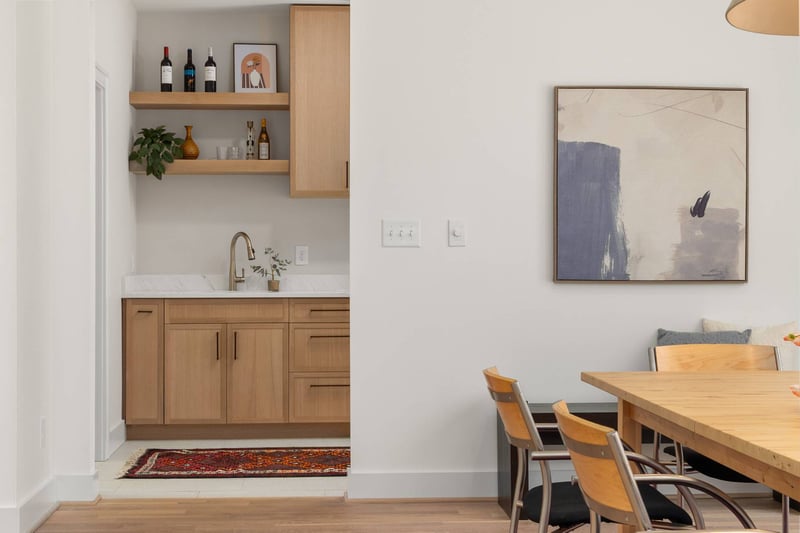
Steps to Planning Your Kitchen Remodel
Planning a kitchen remodel is much easier when you break it into manageable steps. While every project is unique, most successful renovations follow a similar process from the initial consultation through the final walkthrough.
1. Define Your Remodeling Goals
Before meeting with a Montgomery County contractor, identify what you hope to accomplish with your remodel. Think about the problems you want to solve, the features you would like to add, and how you want the kitchen to function when the project is complete.
Having clear goals will help your remodeling team create a design that fits your needs.
2. Gather Inspiration
Collect photos of kitchens that reflect your style and preferences. Save examples of cabinet colors, countertops, lighting, flooring, storage ideas, and layouts that stand out to you.
Inspiration photos give your designer a better understanding of your vision and can help guide the design process. Your kitchen remodel timeline might be longer than you think, so knowing what you want ahead of time is helpful.
3. Hire the Right Remodeling Contractor
Choosing the right remodeling company is one of the most important decisions you'll make.
Look for a contractor with experience completing kitchen remodels in the DC Metro area, positive customer reviews, and a clear remodeling cost guide. Ask to see completed projects and discuss how they communicate throughout
construction.
A remodeling company that values planning and communication can make the entire experience much less stressful.
4. Complete the Kitchen Remodel Design
Once you've selected your remodeling team, you'll begin developing the final design.
During this stage, you'll review floor plans, cabinet layouts, lighting, appliance locations, and finish selections. This is the time to ask questions and make adjustments before materials are ordered and construction begins.
The more complete your design is before demolition, the smoother the project will move.
5. Select Materials
Your selections will bring your kitchen to life.
This includes choosing cabinetry, countertops, flooring, backsplash tile, plumbing fixtures, lighting, hardware, paint colors, and appliances. Working through these selections early allows your contractor to order materials and keep the project on schedule.
6. Prepare for Construction
Before work begins, prepare your home for the temporary disruption.
Pack away dishes, cookware, and pantry items. Set up a temporary kitchen in another room if possible, and make arrangements for pets or children during the busiest stages of construction.
A little preparation makes the remodeling process much more manageable.
7. Construction Begins
Once demolition starts, your remodeling team will work through each phase of construction, including framing, plumbing, electrical work, drywall, flooring, cabinetry, countertops, painting, and final installations.
Throughout the project, your contractor should keep you informed about progress, scheduling, and upcoming milestones.
8. Complete the Final Walkthrough
Before the project is officially complete, walk through the finished kitchen with your remodeling team.
Review the completed work, ask questions about maintenance, and identify any final touch-ups that may be needed. A quality remodeling company will make sure every detail meets your expectations before closing out the project.
Common Kitchen Remodeling Planning Mistakes to Avoid
Even well-planned renovations can become more complicated when homeowners overlook important details. Avoiding these common mistakes can help your project stay on schedule and reduce unnecessary stress.
Starting Without a Complete Plan
Beginning demolition before finalizing your layout and selections often leads to delays and unexpected changes. Completing your kitchen remodel plans first gives everyone a clear roadmap for construction.
Changing Selections During Construction
It's natural to discover new ideas during a remodel, but changing cabinets, countertops, or layouts after materials have been ordered can affect both the schedule and the overall project.
Making decisions early helps keep everything moving smoothly.
Forgetting About Storage
Storage is one of the biggest reasons homeowners remodel their kitchens.
Look beyond the number of cabinets and consider how you'll organize cookware, pantry items, small appliances, and recycling. Smart storage solutions can dramatically improve the functionality of your new kitchen.
Choosing Trends Over Function
Trendy finishes can be fun, but your kitchen should first support your everyday routine.
Focus on a layout that works well, quality materials that will last, and timeless design choices that you'll continue to enjoy for years.
Hiring Based Only on Price
The lowest estimate for what your kitchen remodel should cost is not always the best value.
When comparing remodeling companies, consider experience, communication, craftsmanship, warranties, and the overall remodeling process in addition to cost. A contractor who invests time in planning often delivers a smoother experience and a better finished product.
Frequently Asked Questions About Planning a Kitchen Remodel
Let's look at some of your most common questions about planning a kitchen remodel, along with the answers we've gathered from years of experience.
How do you plan a kitchen remodel?
Start by identifying your goals, gathering inspiration, creating a wish list, and meeting with an experienced remodeling professional. Completing the design before construction begins helps your project move more efficiently.
Where should you start when remodeling a kitchen?
Begin by evaluating what works and what doesn't in your current kitchen. From there, gather inspiration, establish your priorities, and consult with a remodeling contractor to develop a plan that fits your home.
How long does planning a kitchen remodel take?
The planning process varies with project complexity, but many homeowners spend several weeks or even a few months making design decisions, selecting products, and scheduling before construction begins.
Do you need a kitchen designer?
Working with a professional designer can help you create a more functional layout, maximize storage, and coordinate every aspect of the project. Design guidance also helps reduce costly changes during construction.
Should you keep my existing kitchen layout?
Keeping the existing layout may simplify the project, but changing the layout can significantly improve how your kitchen functions. Your remodeling team can help you compare different options based on your goals and your home's structure.
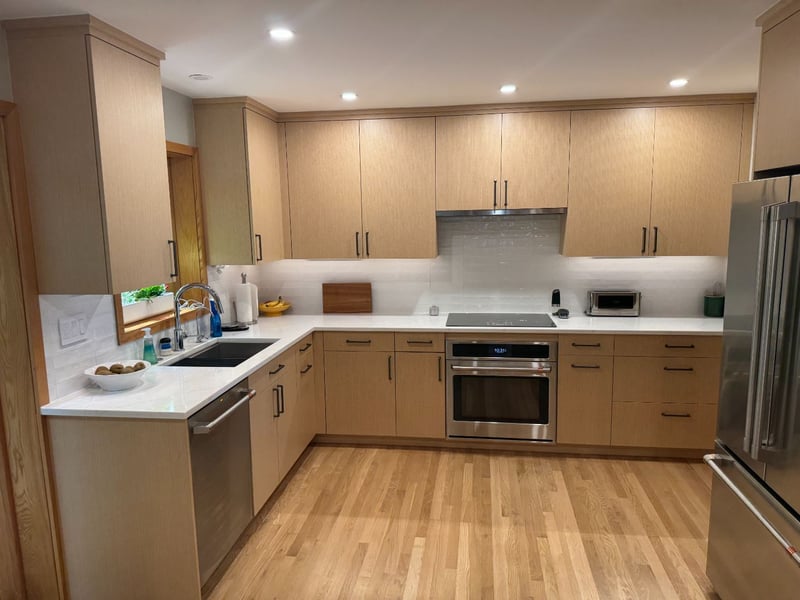
Ready to Begin Your Kitchen Remodel?
Every remodeling project is different, but homeowners throughout Montgomery County and the greater DC Metro area often face similar challenges.
Planning a kitchen remodel takes time, but thoughtful preparation can make the entire process more enjoyable. By defining your goals, gathering inspiration, completing your design, and working with an experienced remodeling team, you'll be well on your way to creating a kitchen that supports your family's lifestyle for years to come.
Work With a Design-Build Remodeling Company
A design-build remodeling company manages both the design and construction phases of your project, giving you one team from the initial consultation through the final walkthrough.
At Managed Renovations, we guide you through every step of our process with intentional planning, quality craftsmanship, and clear communication. Learn more about working with us by browsing our project portfolio and reviewing our kitchen remodeling cost guide before getting started.
We proudly provide kitchen remodeling, bathroom remodeling, home additions, and whole home renovations throughout Montgomery County and the greater DC Metro.
Contact Us
Contact us today to schedule a consultation or to learn more.